Airdrop Due Diligence Guide
It’s easy to get excited about free crypto. Who wouldn’t want that? But I’ve heard stories, and even seen a few myself, where people lost money or gave away private info.
That’s why we need to talk about doing your homework. It’s called airdrop due diligence.
This guide will walk you through what to look for. We’ll break down how to spot red flags. We’ll also cover what makes a project seem more real and reliable.
By the end, you’ll feel much more confident picking out the good airdrops. You’ll learn to avoid the ones that are just trouble.
Finding legitimate crypto airdrops requires careful checking. Always verify project legitimacy, understand tokenomics, and be wary of requests for sensitive information or upfront fees. Prioritize security and research to safeguard your digital assets and find valuable opportunities.
What Exactly Is an Airdrop, and Why Does It Matter?
Think of a crypto airdrop like a marketing gift. A new crypto project wants to get its name out there. They want people to know about their coin or token.
So, they give some away for free. This helps them build a community. It also spreads the word about their technology.
Usually, you get these free tokens by holding another coin. Or you might need to do small tasks. These tasks could be following them on social media.
Maybe you have to join a Telegram group. Sometimes, you need to use their new app. The goal is to get people involved.
Why does this matter to you? Well, some airdrops have turned into valuable assets. People have received tokens that later became worth a lot of money.
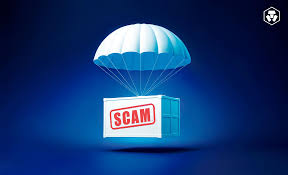
However, not all airdrops are created equal. Some projects are great. Others are scams.
Some just fail to take off.
So, understanding airdrop due diligence is key. It’s about protecting yourself. It’s also about finding real chances to benefit from new crypto projects.
We want to find those gems, not fall for fake ones. It’s a bit like finding a good deal at a flea market. You have to look closely.
My First Airdrop Scare: A Story of What NOT To Do
I remember my first real encounter with a “too good to be true” airdrop. It was a few years back. I was pretty new to crypto.
This project popped up promising a huge amount of tokens. All I had to do was connect my wallet. They also asked for my email and password.
Red flag number one, right?
I was so eager to get those free tokens. I ignored that nagging feeling. I thought maybe this was just how things worked.
I connected my wallet. I put in my email and password. For a moment, I waited.
Then, nothing happened. No tokens appeared. Instead, I got an email asking me to send a small amount of ETH to “activate my account.”
That’s when the panic set in. I realized I’d been tricked. My wallet wasn’t hacked, thankfully.
I had used a separate, empty wallet for this. But I had given away my email and password. And I almost sent them money.
It was a wake-up call. It taught me a hard lesson about airdrop due diligence.
That experience made me realize how important it is to be cautious. It’s not just about the money. It’s about your personal information too.
From then on, I committed to doing my research. I learned to look past the shiny promises. I started asking the tough questions before I even thought about clicking a link.
Spotting the Red Flags: How to Tell a Scam Airdrop
Scammers are clever. They know what people want. They know that the idea of free money is powerful.
So, they design their fake airdrops to look very appealing. But there are common signs. If you see these, you should step back and think.
Your gut feeling is often right.
One big red flag is when they ask for money. Legitimate airdrops are free. They don’t ask you to pay fees to get your free tokens.
If someone asks you to send them crypto to “unlock” your airdrop, it’s a scam. They want your crypto. They won’t send you anything back.
Another sign is pressure. Scammers often create a sense of urgency. They say “This offer ends today!” or “Only 100 spots left!” This is to make you act without thinking.
Real opportunities don’t usually require such frantic decisions. Take your time. That’s a sign of good airdrop due diligence.
Be very careful if they ask for your private keys. Or your seed phrase. Never, ever share these.
These are the keys to your entire crypto wallet. Anyone who has them can steal all your assets. No legitimate project will ever need this information from you.
Unrealistic promises are also a huge red flag. If an airdrop promises millions of dollars worth of tokens for doing almost nothing, it’s almost certainly fake. Think about it.
Why would someone give away so much value with no real reason? Keep your expectations in check.
Common Airdrop Scam Tactics
Urgency Tactics: “Act now!” messages to rush you.
Fee Requests: Asking for crypto to “activate” or “process” your airdrop.
Data Mining: Collecting excessive personal information beyond what’s needed.
Fake Websites: Mirroring popular crypto sites to steal login details.
Unrealistic Rewards: Promises of massive value for minimal effort.
How to Verify the Legitimacy of a Crypto Project
So, you’ve seen an airdrop that looks promising. Now, how do you check if it’s real? This is the core of airdrop due diligence.
It’s about digging a little deeper than the surface.
Start with the project’s website. Does it look professional? Are there spelling errors or broken links?
A real project usually invests in a good website. Look for information about their team. Who are they?
Do they have LinkedIn profiles? Are they known in the crypto space?
Check their whitepaper. This document explains the project’s goals. It details their technology and tokenomics.
Is it well-written? Does it make sense? Is it just generic buzzwords?
A solid whitepaper shows serious intent. It’s a sign of expertise.
Look at their social media presence. How many followers do they have? Are the followers real people or bots?
Check the engagement. Are people discussing the project? Or is it just spam?
Active communities on platforms like Twitter, Telegram, or Discord are good signs. But make sure the community is genuine.
Search for the project online. What do other crypto news sites or forums say about it? Are there any audits of their smart contracts?
Reputable projects often get their code checked by third-party security firms. This adds a layer of trust.
Project Verification Checklist
Website Quality: Professional design, no errors.
Team Information: Publicly known or verifiable members.
Whitepaper: Clear goals, technology, and tokenomics explained.
Social Media Activity: Active, engaged, and seemingly genuine community.
Community Sentiment: Positive or constructive discussions about the project.
Security Audits: Presence of third-party smart contract audits.
Understanding Tokenomics: What to Look For in the Token
Tokenomics refers to how a cryptocurrency works. This includes its supply, distribution, and utility. It’s a crucial part of airdrop due diligence.
You need to know if the token has a real purpose.
What is the total supply of the token? Is it a fixed supply, or can more be created? A massive, unlimited supply can lead to inflation.
This can make the token less valuable over time. Look for reasonable supply numbers. Also, check how the tokens are distributed.
Who gets the most tokens? If a tiny percentage of tokens are held by the team or early investors, it can be a red flag. It might mean they can dump their tokens on the market later.
This would crash the price. A fair distribution is usually better.
What is the token actually used for? Does it have a utility within the project? For example, is it used for paying fees on a platform?
Is it used for staking to earn rewards? Or is it just a speculative coin with no real use case? Tokens with utility are more likely to have long-term value.
Consider the vesting schedule for team tokens. Vesting means tokens are released over time. This prevents early insiders from selling all their tokens at once.
It shows commitment to the project’s long-term success. If team tokens are unlocked immediately, that’s a warning sign.
Tokenomics Deep Dive
Total Supply: Check if it’s fixed or inflationary. Is the number reasonable?
Distribution: How are tokens allocated? Is it fair for early users and the community?
Token Utility: What is the token used for? Does it solve a problem?
Vesting Schedules: Are team and advisor tokens locked for a period?
Inflation/Deflation: Does the token burn mechanisms exist to reduce supply?
Practical Steps for Safe Airdrop Participation
You’ve done your research. The project looks good. Now, how do you actually participate safely?
This is where practical safety measures come in. Good airdrop due diligence includes careful execution.
Use a dedicated wallet. Never use the wallet where you keep your main crypto assets. Create a new wallet specifically for airdrops.
This wallet should hold only small amounts of crypto needed for transaction fees. If something goes wrong, you minimize your losses.
Be careful about what you connect your wallet to. Always double-check the website URL. Scammers create fake sites that look identical to real ones.
If you connect your wallet to a fake site, your funds could be drained. It’s like leaving your house unlocked.
Review transaction details before you approve them. Your wallet will show you what a transaction is doing. Does it look normal?
Is it asking for more than you expect? If anything seems odd, cancel it. Trust your instincts here.
Enable two-factor authentication (2FA) everywhere you can. This applies to exchanges, email, and any platform where you have accounts. It adds an extra layer of security.
Even if someone gets your password, they can’t access your account without the second factor.
Don’t share your private keys or seed phrase. I can’t stress this enough. These are the master keys to your crypto.
No one legitimate will ever ask for them. If anyone asks, it’s a scam. Full stop.
Safety Tips for Airdrops
Separate Wallet: Use a dedicated, empty wallet for airdrops.
Verify URLs: Always check website addresses carefully.
Review Transactions: Understand what you are approving before signing.
Use 2FA: Protect all your online accounts with two-factor authentication.
Never Share Keys: Your seed phrase and private keys are your own.
Real-World Scenarios: When Airdrops Go Right and Wrong
Let’s look at some real situations. This helps solidify the idea of airdrop due diligence. It’s not just theory.
It happens every day in the crypto world.
Scenario 1: The Successful Airdrop. Imagine a new decentralized exchange (DEX) launches. They want to reward early users.
They announce an airdrop to everyone who used their platform in the first month. You remember using it briefly. You connect your wallet, claim your tokens, and forget about it.
Months later, the DEX becomes very popular. The tokens you received are now worth a decent amount. This is a good outcome.
It happened because the project was real and the airdrop was a genuine reward.
Scenario 2: The Malicious Airdrop. You see an ad on social media for a brand-new NFT project with a huge token airdrop. They promise millions of dollars in tokens.
They tell you to download a special “airdrop wallet” app. You download it. You enter your seed phrase from your main wallet into this new app.
Big mistake. The “airdrop wallet” is fake. It’s designed to steal your seed phrase.
As soon as you enter it, all your crypto is gone from your main wallet. This highlights the danger of not doing proper airdrop due diligence.
Scenario 3: The Project That Fails. A new blockchain game announces an airdrop for players who reach a certain level. You spend weeks playing.
You get the tokens. However, the game struggles to find users. The developers run out of funding.
The project is abandoned. The tokens become worthless. In this case, the airdrop was real.
The project just didn’t succeed. This shows that even with good due diligence, not every project will be a winner.
Scenario 4: The Data Harvesting Airdrop. A project offers a generous airdrop for simple social media tasks. They ask you to fill out a long survey.
This survey asks for your full name, address, phone number, and even your date of birth. While they might give you a few tokens, they are primarily collecting your personal data. This data can be sold or used for other malicious purposes later.
This is why checking what information is requested is part of airdrop due diligence.
Airdrop Outcomes: What to Expect
Success: Receive valuable tokens from a thriving project.
Scam: Lose funds or personal information to fake projects.
Failure: Receive worthless tokens from a project that collapses.
Data Leak: Airdrops that mainly exist to collect your personal data.
No Value: Airdrops that simply have no market demand or utility.
When an Airdrop Might Be a Good Opportunity
So, when should you feel more confident about an airdrop? It’s about finding that balance between potential reward and risk. Good airdrop due diligence helps you find these sweet spots.
Look for projects from established teams. If you recognize the names behind a project, or if they have a strong track record in the crypto space, that’s a positive sign. Experienced teams are more likely to deliver on their promises.
Consider projects that are building on well-known blockchains. For instance, airdrops from projects on Ethereum, Solana, or Binance Smart Chain might be more reliable than those on obscure, brand-new networks. These larger ecosystems have more scrutiny.
Airdrops that require you to use the platform or its features are often better. This means you’re testing the product. The project is rewarding you for your actual engagement and feedback.
This kind of airdrop shows the project has real utility and use cases.
Projects that are transparent about their tokenomics and development roadmap are also good signs. If they publish regular updates and are open about their challenges, it shows they are committed to honesty. This builds trust and is a hallmark of good airdrop due diligence.
Finally, always remember that even good opportunities come with risk. Never invest more than you can afford to lose. An airdrop should be a bonus, not your main source of income.
Treat it as such.
Signs of a Promising Airdrop
Experienced Team: Founders with a known crypto background.
Established Blockchain: Built on a reputable and secure network.
Platform Usage: Rewards active users who test the product.
Transparency: Clear roadmaps, open communication, and audits.
Real Utility: Token has a clear purpose within the project’s ecosystem.
What This Means for You: Protecting Your Crypto Assets
Understanding airdrop due diligence is not just about finding free crypto. It’s fundamentally about protecting your digital assets. Every click, every connection, carries a potential risk.
By taking the time to research, you reduce the chance of falling for a scam. This means you won’t lose your hard-earned cryptocurrency. You also won’t hand over sensitive personal information that could be misused.
It also means you’re more likely to find actual valuable opportunities. You can identify projects that are genuinely innovative. You can become an early supporter of something that could grow.
This requires patience and a discerning eye.
Think of yourself as a detective. Your mission is to uncover the truth behind the promises. You’re looking for solid foundations, not just fancy words.
This approach will serve you well not just with airdrops, but with all your crypto ventures.
Remember that the crypto space is always evolving. Scammers get more sophisticated. New types of projects emerge.
So, continuous learning is important. Staying informed about common scams and best practices is your best defense.
Quick Tips for Better Airdrop Research
Here are some quick ways to improve your research for airdrop due diligence:
- Set up Alerts: Use tools or follow reputable crypto news sites that announce new projects and potential airdrops.
- Join Communities: Engage with crypto communities on platforms like Reddit or Discord, but be wary of direct messages.
- Use a Crypto Calendar: Many sites list upcoming airdrops and project launches. Cross-reference information from multiple sources.
- Check Explorer Data: For projects on public blockchains like Ethereum, you can look up token contract addresses and see holder distributions.
- Read Reviews: See what other users are saying about a project, but be critical of overly positive or negative comments.
These steps can help you make more informed decisions. They don’t guarantee success, but they significantly increase your safety and your chances of finding genuine opportunities.
Frequently Asked Questions About Airdrop Due Diligence
Do I need to pay anything to receive an airdrop?
No, legitimate crypto airdrops are free. If a project asks you to send them cryptocurrency to “activate” or “release” your airdrop tokens, it is almost certainly a scam. Be very cautious.
What is the riskiest part of participating in an airdrop?
The riskiest part is connecting your crypto wallet to a fraudulent website or sharing your private keys/seed phrase. These actions can lead to the immediate theft of all funds in your wallet. Always use a separate, minimal-fund wallet for airdrops.
How can I tell if an airdrop is a scam by looking at its website?
Look for poor website design, spelling errors, broken links, lack of team information, or unrealistic promises. Legitimate projects usually have professional websites and transparent details about their team and technology. Poor quality is a major red flag.
Is it safe to give my email address for an airdrop?
Giving your email address is generally safe if the project is legitimate. However, be aware that you might receive marketing emails. If a project asks for your email along with sensitive information or a wallet connection, be extra careful.
Avoid using your primary email if possible.
What if a project promises very high returns from an airdrop?
Extremely high promised returns are a major red flag. In the crypto world, high rewards often come with very high risks. If an airdrop sounds too good to be true, it almost certainly is.
Focus on projects with realistic goals and utility.
Should I use my main crypto wallet for airdrops?
Absolutely not. It is highly recommended to use a separate, dedicated wallet for airdrops. Load this wallet with only enough cryptocurrency to cover potential transaction fees (gas fees).
This limits your potential losses if the airdrop turns out to be a scam or if the project is compromised.
Final Thoughts on Smart Airdrop Hunting
Navigating the world of crypto airdrops requires a sharp mind and a cautious approach. Doing your airdrop due diligence isn’t just about finding free coins. It’s about protecting yourself and making smart choices in a sometimes-risky digital landscape.
By following these steps, you can significantly improve your chances of finding legitimate opportunities and avoiding common pitfalls.

Related Posts
Avoid Trending Airdrop Scams

Airdrop Scam Database